The pull-up bar is one of the most effective pieces of equipment for developing the upper body. It allows you to work your back, arms, and core with simple bodyweight exercises.
Whether you want to create a complete home gym or simply do pull-ups at home, choosing the right bar is essential.
In this guide, you will discover:
-
how to choose the best pull-up bar
-
the different types available
-
their benefits depending on your space
Key points to remember
✔ The best bar depends primarily on your available space
✔ A maximum load of 150 kg is sufficient for most users
✔ Wall bars offer the best stability for pull-ups
✔ Freestanding stations are the most versatile
Why install a pull-up bar at home?
This is essential equipment for strengthening:
-
Back muscles
-
biceps (underhand grip)
-
abdominal muscles
In addition to developing strength, it also allows you to progress to advanced moves such as muscle-ups, which combine explosive pull-ups and dips above the bar.
The different types of pull-up bars
Doorway pull-up bar
This is often the first model used.
Benefits
-
quick installation
-
no drilling
-
affordable price
-
perfect for beginners
Limits
👉 A good option for getting started with pull-ups.
Wall-mounted pull-up bar
A wall bar is often the best option for serious training.
Once attached to a load-bearing wall, it becomes extremely stable and allows you to perform several bodyweight exercises.
Benefits
Possible exercises
-
pull-ups
-
dips
-
leg lifts
-
front lever
-
muscle-up
Our wall-mounted pull-up bar can support up to 250 kg, making it suitable for intensive training.
👉 Ideal for regular workouts.
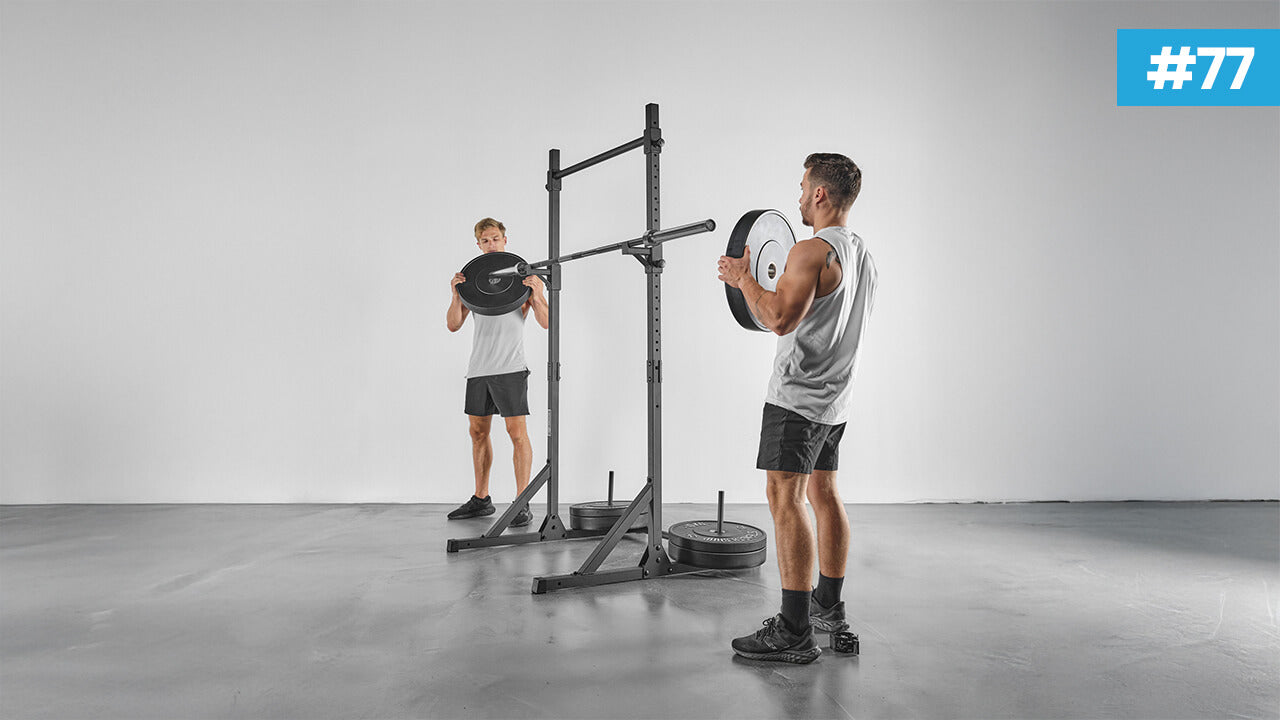
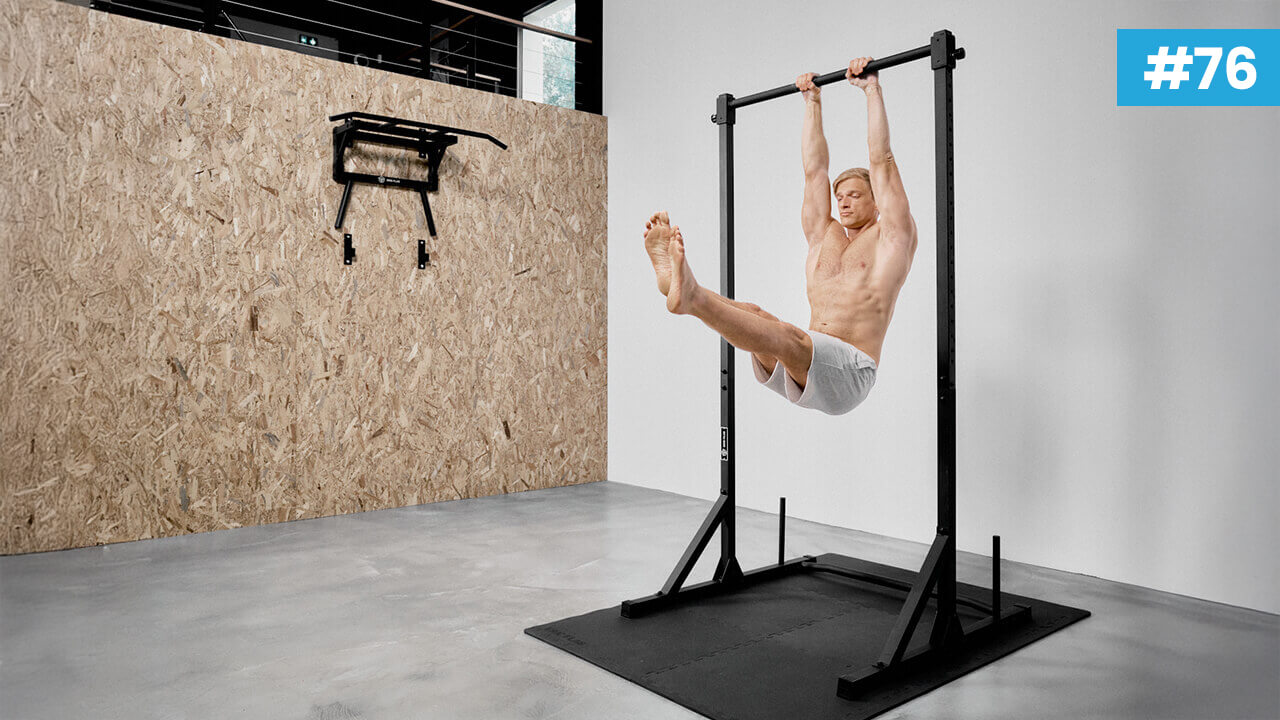
Free-standing pull-up bar
The freestanding bar is an excellent alternative if you don't want to drill holes in your wall.
Our standing pull-up bar functions as a complete weight training station.
Benefits
-
no wall mounting
-
height adjustment
-
great versatility
-
ideal for a home gym
Possible exercises
👉 Ideal for: creating a complete home gym.
Comparison of solutions
| Bar type |
Installation |
Stability |
Versatility |
Space |
| Door bar |
Very easy |
High |
Low |
Very compact |
| Wall bar |
Wall mounting |
Excellent |
Good |
Compact |
| Freestanding bar |
No wall mounting required |
High |
Very high |
Wider |
Wall-mounted, freestanding, or door-mounted bar: which one should you choose?
Here is the most logical choice based on your situation.
| Location |
Recommended bar |
| Small space |
Wall-mounted or door-mounted bar |
| If you can't drill into your walls |
Freestanding bar or door bar |
| Versatility + complete home gym |
Freestanding bar |
| Intensive/weighted training |
Wall bar |
Check out our detailed guide if you're unsure whether to choose a wall-mounted or freestanding pull-up bar.
Installation and safety
For a wall bar, you need:
-
Choose a load-bearing wall (concrete or brick)
-
Drill with a suitable drill bit
-
Install sturdy anchors
-
Check stability before use
A load-bearing wall ensures complete stability during training.
For a freestanding bar, simply:
- Install it on a flat, stable surface.
- Assemble the structure according to theassembly instructions.
- Check that all screws are tightened securely.
- Adjust the height of the bare depending to the exercise.
- Test stability with a few light pull-ups before your workout.
A well-mounted freestanding bar provides excellent stability without the need to drill holes in the walls.
FAQ :
Can a pull-up bar be installed on a drywall wall?
No, this is not recommended. This material cannot safely support the load of pull-ups. Installation on a load-bearing wall is necessary.
What is the difference between pronation and supination?
-
Pronation: palms facing forward → mainly targets the back.
-
Supination: palms facing you → works the biceps more.
-
Neutral: palms facing each other → more comfortable for the wrists.
How can you progress if you can't do a pull-up yet?
Start with negative pull-ups, use resistance bands for assistance, and train three times a week.
What is the minimum height for installing a wall bar?
Approximately your height with your arms raised + 10/20 cm so that you can do pull-ups without touching the floor.
How long does it take to see results?
The first signs of progress appear within 2 to 3 weeks, with visible results in 6 to 8 weeks if training is regular.
Conclusion
The pull-up bar is probably one of the best pieces of equipment for training at home.
To summarize:
With the right equipment and a little consistency, you can turn a simple space in your home into a real gym.
See you soon for a new article 😃
Eric Flag




Leave a comment
This site is protected by hCaptcha, and hCaptcha's Privacy Policy and Terms of Service apply.