

Grip Tape vs. Liquid Chalk: Which One Offers Better Grip?
When it comes to grip during training, two solutions often come up:grip tape and liquid chalk.
Both have the same goal: to help you get a better grip.
But they don't work the same way, aren't used in the same situations, and don't address exactly the same needs.
In this article, we'll look at the differences between the two, their advantages, and—most importantly—when to use one, the other… or both.
What is grip tape?

The Grip Tape is an adhesive tape that is wrapped directly around a bar, handle, or piece of training equipment.
Its purpose is simple: to improve the contact surface between your hands and your equipment.
You can use it on:
-
A pull-up bar
-
Parallel bars
-
Parallel bars
-
Dumbbells
-
Push-up handles
👉 Simply put, grip tape works directly on your gear to make it more comfortable, more stable, and provide better traction.
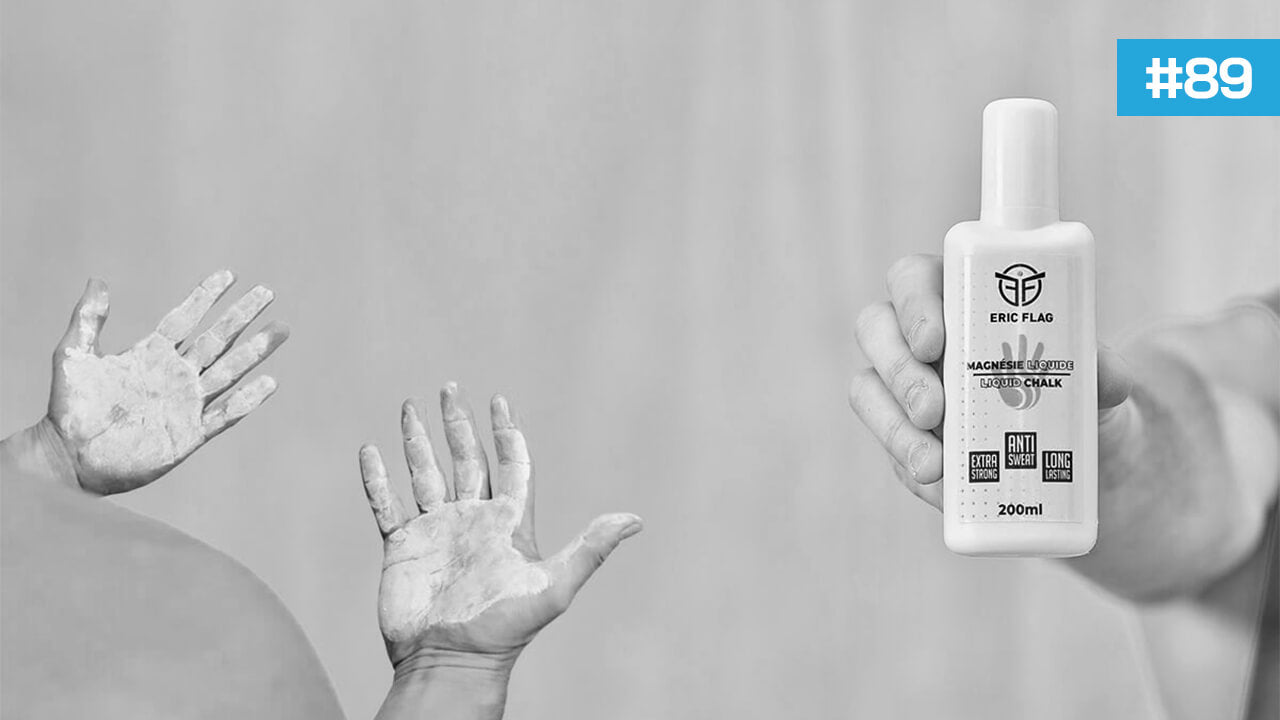
What is liquid chalk?

The liquid chalk is applied directly to the hands.
Above all, it helps absorb sweat and keep your hands drier during exercise.
It is widely used in:
-
Weight Training
-
Street workout
-
Cross-training
-
Rock Climbing
-
Gymnastics
-
Weightlifting
👉 Unlike grip tape, liquid chalk doesn't improve your equipment. It directly improves the condition of your hands during training.
Grip Tape vs. Liquid Chalk: The Main Differences
Although both improve traction, they work very differently.
| Criteria | Grip Tape | Liquid Chalk |
|---|---|---|
| Main Action | Improves the surface of the material | Dries out your hands |
| Application | On the bar or handle | Directly on the hands |
| Duration of Effect | Stay in place for several sessions | Adjust according to how much you sweat |
| Comfort | Makes the experience more enjoyable | Keeps your hands feeling drier |
| Cleanliness | Remains on the equipment | May leave marks |
| Ideal for | Pull-up bars, parallel bars, handles... | Sweaty hands, intense workouts |
| Combined Use | Yes | Yes |
👉 Grip tape is applied to the surface.
👉 Liquid chalk is applied to your hands.
It's this difference that will determine the best choice based on your needs.
Why Choose Grip Tape?

Grip Tape is ideal if your problem is mainly due to your equipment.
For example:
-
Your bar is too smooth
-
Your parallel bars don't have enough grip
-
Your handles are uncomfortable
-
Your hands slip even when they're dry
-
Do you want to improve your equipment's performance in the long term?
👉 In this case, grip tape is often the best solution.
It will create a surface that offers better grip, greater comfort, and more stability—without you having to reapply it every time you work out.
The Benefits of Grip Tape
Grip Tape has several major advantages.
-
Instant results: You'll feel the difference right away, from the very first use
-
Comfort in your hand: it makes hard or smooth surfaces more comfortable to hold
-
Durability: Once applied, it stays in place through several workouts
-
Versatility: It can be used with a variety of equipment
-
Improved control: Your grip is more stable, especially during technical movements
👉 It's a small accessory, but it can completely change the feel of a pull-up bar, parallel bars, or training handles.
Why choose liquid chalk?

Liquid chalk is ideal if your main problem is sweating.
If your hands get sweaty during your sets, your grip can quickly lose its effectiveness.
Chalk helps keep your hands drier and more stable.
It is particularly useful for:
-
Long Series
-
Intense sessions
-
Weighted pull-ups
-
Exercises that make your grip tire quickly
-
Workouts in the summer or in a hot gym
👉 It's very handy when you want quick grip without changing your gear.
The Benefits of Liquid Chalk
Liquid chalk is highly valued for its simplicity.
-
Quick to apply: just put some on your hands, wait a few seconds, and you're all set
-
Drier hands: It reduces sweating
-
Good grip: especially on metal bars or smooth surfaces
-
Easy to carry: You can take it to the gym, outdoors, or on the go
-
Works with a variety of equipment: it functions regardless of the bar or mount used
👉 This is the most convenient option if you switch equipment often or work out in different places.
Grip Tape or Liquid Chalk: Which Should You Choose Based on Your Goal?
The best choice depends mainly on your main problem.
| Your need | Recommended Solution |
|---|---|
| Your bar is too smooth | Grip Tape |
| Your hands sweat a lot | Liquid Chalk |
| Do you want more comfort on your parallel bars? | Grip Tape |
| You do some really intense workouts | Grip Tape + Liquid Chalk |
| Do you want a long-term solution for your equipment? | Grip Tape |
| You work out on several different pieces of equipment | Liquid Chalk |
| You want the best possible grip | Grip Tape + Liquid Chalk |
If the problem is with the equipment: go withgrip tape.
If the problem is with your hands: go withliquid chalk.
👉 If you want to maximize grip: use both.
Can you use grip tape and liquid chalk together?
Yes, and that's often the best solution.
Grip tape improves the grip on the bar or handle.
Liquid chalk keeps your hands dry.
Result:
-
Fewer slips
-
A more stable grip
-
More confidence
-
A Better Experience
-
Greater control over movements
👉 This is particularly useful for challenging exercises such as weighted pull-ups, muscle-ups, dips, or static holds.
Why Choose ERIC FLAG Grip Tape and Liquid Chalk?
At ERIC FLAG, our equipment is designed to help you train with greater comfort, control, and confidence.
The Grip Tape is perfect for improving the grip on your bars, parallel bars, or handles in just a few seconds.
The liquid chalkhelps keep your hands dry during your most intense sets.
👉 Together, they form a simple yet effective combination that ensures your grip will no longer hold you back.
FAQ: Grip Tape vs. Liquid Chalk
Does grip tape replace liquid chalk?
Not necessarily. Grip tape improves the grip of your equipment, while liquid chalk works on your hands. So the two can complement each other.
Does liquid chalk work on grip tape?
Yes. It can be used as a supplement if your hands sweat a lot or if you want maximum grip.
Is grip tape useful on parallel bars?
Yes, especially if your parallel bars are smooth or if you want to improve your comfort and control while doing push-ups.
Does liquid chalk stain the equipment?
It can leave marks, especially if you use a lot of it. You usually just need to clean the equipment after your session.
Which solution should you choose for pull-ups?
If your bar slips, choose Grip Tape.
If your hands sweat, choose liquid chalk.
If you want the best grip, combine the two.
Conclusion
So, Grip Tape vs. Liquid Chalk: Which Should You Choose?
The answer is simple: it all depends on your needs.
If you want to improve your grip on your gear for the long term, grip tape is the best choice.
If you want to keep your hands dry while working out, liquid chalk is ideal.
But if you really want to maximize your grip, the combination of grip tape and liquid chalk is unbeatable.
👉 Ultimately, the best choice is the one that lets you train with more comfort, more control, and more confidence.
See you very soon for another article.
Eric Flag.



Leave a comment
This site is protected by hCaptcha, and hCaptcha's Privacy Policy and Terms of Service apply.