

Street Lifting: The Ultimate Beginner’s Guide
Want to combine strength, technique and training freedom? Then discover Street Lifting, an exciting discipline in which you push your limits with weighted bodyweight exercises.
Accessible to beginners and advanced alike, this sport boosts strength, endurance and coordination. The best part : you can train anywhere, outdoors or indoors, with very little equipment!
In this article, I’ll walk you through everything you need to know : the basics of the discipline, essential equipment and an ideal program to get you started.
Ready to take on the challenge? 💪
What is Street Lifting?
Street Lifting is a variation of Street Workout, focusing on strength and muscular endurance. Here, you do bodyweight exercises, adding weight to make them harder.
Key movements: pull-ups, squats, dips and muscle-ups performed with added weight to further challenge your muscles and develop your overall power.
Basic Street Lifting Exercises
Each exercise plays a key role:
-
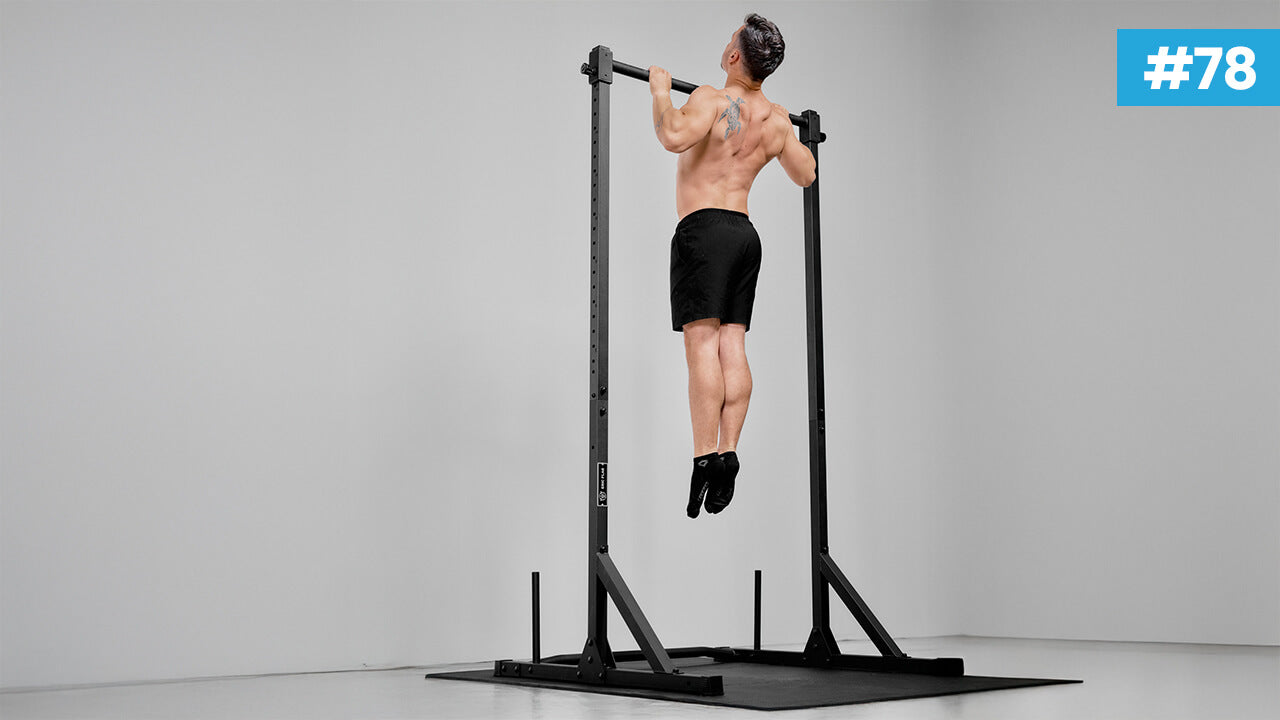
Pull-ups: these mainly target your back. With added weight, you'll build serious pulling power and a strong upper body 👇

-
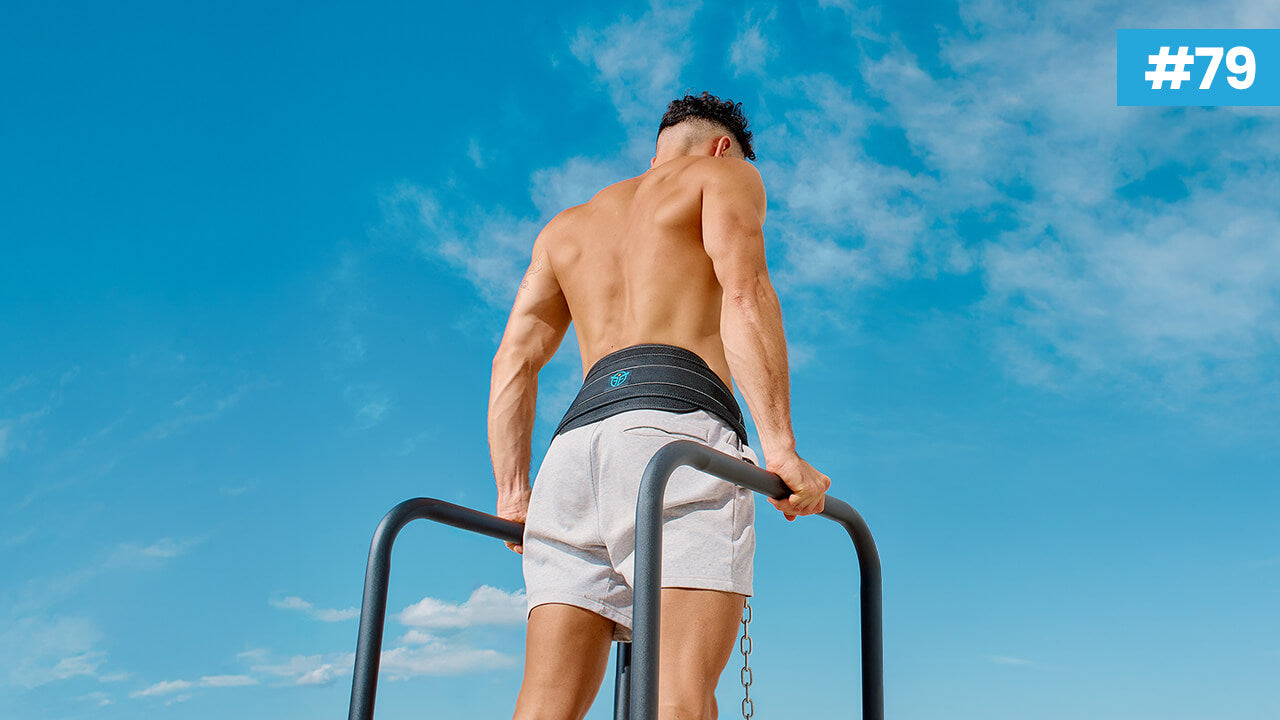
Dips : perfect for strengthening your triceps, chest, and shoulders. This vertical movement is essential for building a powerful chest. 👇

-
Squats : They mobilize the whole of the lower body (quadriceps, glutes, ischios), while at the same time stimulating core engagement. With added weight, they become formidably effective for building strong legs. 👇

- Muscle-ups: an advanced move that combines a pull-up and a dip, requiring both strength and coordination. If you're just starting out, try preparatory exercises like horizontal rows to progress smoothly 👇

The benefits for your health and fitness
Le Street Lifting is perfect for boosting your physical and mental fitness! By working on strength and endurance, you'll build balanced, strong, and aesthetic muscles.
This discipline also improves coordination and mobility, which helps reduce the risk of injuries.
As a bonus, Street Lifting strengthens discipline and perseverance, which are key for long-term progress. You'll effectively train all your muscles, including your legs, for complete and harmonious physical fitness!
Equipment you need to get started
To start Street Lifting right, getting the right gear is essential for your safety and comfort.
Here are the must-haves:
- The Dip Belt (or weighted vest) is a must-have to intensify your workouts, especially weighted dips or pull-ups.
- Wrist wraps protect your joints and strengthen your grip.
- For high-impact exercises like squats, knee sleeves effectively protect your joints.
- Finally liquid chalk is ideal for improving your grip during pull-ups or muscle-ups, preventing slippage.
Choosing the right environment
Choosing the right environment is crucial for practicing Street Lifting effectively and safely.
You'll need solid and stable equipment, like a fixed pull-up bar, which is perfect for weighted pull-ups and muscle-ups.
If you prefer to train outdoors, opt for a spacious area with enough height. Public parks or dedicated Street Workout areas are perfect for this.
At the gym, make sure you have the necessary equipment like squat racks or barbells to perform your exercises in the best conditions.
Street Lifting Training Program
Session 1:
Goal: Develop triceps, pectorals, legs, and stabilizers.
-
Weighted Dips: 4 sets x 6–10 reps
→ Choose a weight that allows you to finish the sets without breaking form. -
Weighted Squats: 4 x 8–12 reps
-
Bodyweight Ring Dips: 3 x 10–15 reps
-
Active Plank (plank + leg extensions): 3 x 30 sec
Rest between sets: 90 to 120 seconds
Session 2:
Goal: Strengthen back, arms, and core.
-
Weighted Pull-ups (pronated grip): 4 x 5–8 reps
-
Australian Pull-ups (rings or low bar): 3 x 12–15 reps
-
Ab wheel or L-sit hold: 3 x 10 reps or 20 sec
-
Hollow hold: 3 x 20–30 sec
Only add weight if you can do 8 strict bodyweight pull-ups.
Workout 3:
Goal: To challenge your whole body with a focus on technique and dynamic movements.
-
Muscle-ups (use an elastic band for assistance if needed): 3–4 sets
-
Jump squats (or box jumps): 3 x 10 reps
-
Pull-ups (overhand grip): 3 x 6–10 reps
-
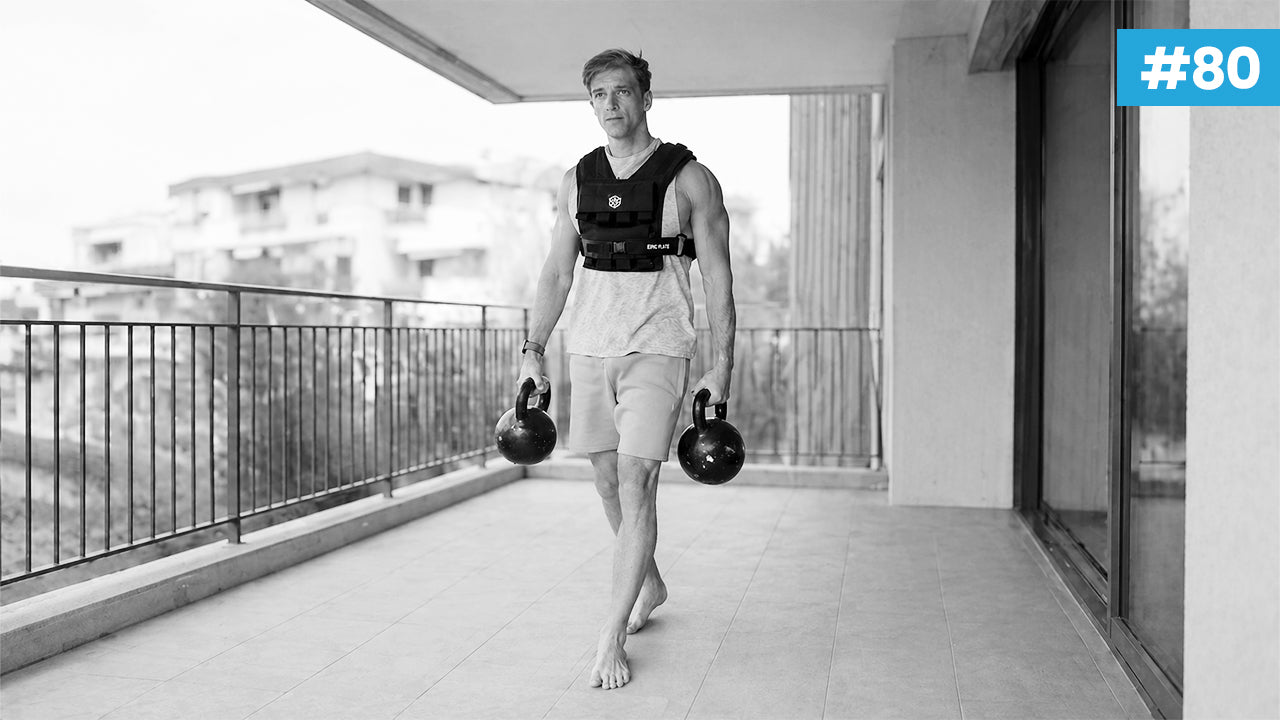
Weighted Farmer's Walk: 3 x 30–40 meters (or static hold if you don't have space)
Today's focus is on working on coordination, power, and muscle balance.
In a nutshell
To sum it up, Street Lifting is a complete discipline that boosts your strength, technique, and the freedom to train anywhere. To get started right, make sure you have the right gear, learn the basics like pull-ups, dips, and weighted squats, and follow a clear, progressive program.
Always remember to protect your joints with the right accessories and choose a suitable training spot. With discipline and consistency, you'll quickly improve your fitness and reach impressive strength levels.
So, ready to take on the challenge? Dive into Street Lifting now and unleash your full potential! 💪
FAQ
What equipment do you need to start Street Lifting?
To kick off your Street Lifting journey, here's the essential gear you'll need:
-
A sturdy pull-up bar
-
A Dip Belt to make your exercises more intense
-
Dip bars for dips
Additionally, consider using wrist wraps or knee sleeves to protect your joints. Also, use chalk for a better grip.
How to gradually add weight without risking injury?
To safely add weight to your training :
-
Always start with a warm-up (5 to 10 min)
-
Gradually increase the weight
-
Maintain perfect technique before adding more weight
-
Avoid rushing it to maintain your form
-
Add assistance and mobility exercises to strengthen your weak points
What fundamental exercises should you master before using added weight?
Before adding weight, master these essential movements:
-
Pull-ups for your upper body
-
Dips for your triceps, shoulders, and chest
-
Muscle-ups for overall strength and coordination
-
Squats to strengthen your legs and improve stability
How to prepare for a Street Lifting competition and what are the criteria?
To be ready to compete:
-
Follow a structured training program: start with high volume and low intensity, then gradually move towards heavier weights with fewer reps as the competition gets closer
-
Work specifically on competition exercises: squats, pull-ups, dips, and muscle-ups
To qualify, you'll generally need to perform well in official qualification events. Your results (the total of your best lifts) will determine your ranking and eligibility for regional, national, or international competitions.


9 comments
Thanks for the article! I'm going to try the program to ease back into things after a few weeks off.
Mathieu PALA
This is really interesting. I recommend everyone who sees this message to try street lifting at least once, it's incredible, and I also advise you to listen to Eric Flag's advice.
Leo G
Great product, I saw reviews on YouTube and everyone thinks it's awesome.
I'm going to place an order soon to try out muscle-ups with your program.nicolas
Thanks for this super comprehensive article and for the little program to work on all this at home 💪🏻
Thelma
Super interesting article
Thanks!!
REVEL VINCENT
Awesome guide, definitely recommend
Thanks a lot!
Noah
Thanks for the little program! I knew the principle of this training method, but it's always great to have a clear structure to progress effectively...
Hodé
Totally awesome while sipping on some Play.
KEVIN CORDONNIER
I highly recommend following these sessions to build muscle!
Magnumlol
Leave a comment
This site is protected by hCaptcha, and hCaptcha's Privacy Policy and Terms of Service apply.